
A white-tailed eagle sighting at Cley Marshes has sent birdwatchers across Norfolk into a frenzy this week. Britain’s largest bird of prey was spotted soaring over the saltmarshes of the north Norfolk coast, drawing photographers and local birders eager to catch a rare glimpse of a species once wiped out in England entirely.
What Happened At Cley Marshes
Local birder Gary Roberts was among the first to report the sighting, watching from the reserve’s hides as the huge bird flew low over the marshes. Gulls quickly mobbed it, a common reaction when a predator this size enters their airspace, but the eagle carried on undisturbed, its sheer size making it impossible to miss even at distance.
Jane Crossen, another observer logged at the scene, described the moment the bird was seen carrying what appeared to be a goose, talons trailing as it moved across open sky. Word spread fast among the group gathered at the hides, and within the hour visitors were arriving from Blakeney Point and further along the coast.
For anyone who has spent time at Cley, this kind of buzz is rare. Sightings of red kites or passing raptors happen often enough, but a bird of this scale, wingspan spread wide against the East Anglian skies, is something most birders in the region will never forget seeing in person.
About The White-Tailed Eagle
The white-tailed eagle is Europe’s largest eagle, with a wingspan reaching up to 7.8ft (2.4 metres). It was Britain’s last native eagle species before human persecution drove it to extinction, the final bird recorded shot in Shetland in 1918, having been hunted since at least 1780.
Once widespread across Britain and continental Europe, the species was persecuted to extinction across the country, surviving only in isolated pockets before formal reintroduction efforts began. Scotland led the way with reintroduction work from the Shetland Isles southward, restoring a population that had been entirely absent from English skies for over a century.
Today, roughly 200 white-tailed eagles live across Scotland, evidence that decades of reintroduction work have paid off. England’s own population remains far smaller, with occasional stray birds and a small number from active release programmes now beginning to reappear along the coast.
Where This Particular Bird Came From
This young bird is believed to have hatched last summer as part of the Isle of Wight reintroduction project, one of two eagles known to have travelled this far from their release site. Roy Dennis, whose foundation has led much of the UK’s eagle reintroduction work, has tracked wide-ranging exploration from birds in this cohort before.
Young white-tailed eagles typically spend their first two years scouting far beyond their home territory before settling down, and this bird’s journey fits that pattern closely. Reports suggest it passed through Kent and the outer Thames before reaching East Anglia, having previously been seen near Ipswich and Great Yarmouth in the previous ten days.
It isn’t unusual for a bird this young to cover hundreds of miles during its exploratory phase. Parents of released eagles often travel similarly wide-ranging routes before returning closer to their release areas as they approach breeding age.
The Reintroduction Project Behind Its Return
The Isle of Wight release site is central to the Roy Dennis Wildlife Foundation’s five-year programme, which aims to release up to 60 birds across southern England. The long-term ambition is to establish six to eight breeding pairs in the region, restoring a wild population that has been absent for 240 years.
Survival rates and movements are tracked using satellite tags fitted before release, giving the team detailed tracking data on how each bird explores its surroundings. Comparable reintroductions in Scotland, particularly around Mull and Skye, have shown that eagle-watching tourism can bring several million pounds into local economies once a population becomes established.
A dedicated release site in west Norfolk, including discussions around Wild Ken Hill, has been floated as part of a wider recovery effort for the species, though the plan remains on the back burner for now. If it goes ahead, it would mark East Anglia’s first formal role in the reintroduce white-tailed eagle England scheme.
Other Recent Sightings In The Region
This isn’t an isolated case. Two visiting white-tailed eagles were reported flying past Cromer and circling near West Runton in recent weeks, delighting onlookers along the coast. Further round the country, RSPB Bempton Cliffs on the Yorkshire coast has also logged sightings, suggesting growing familiarity with English airspace among this generation of released birds.
Volunteers monitoring the species say this growing pattern of coastal sightings reflects the wider success of ongoing reintroduction work, even in areas with no formal release programme of their own. For birders across the county, it signals that further sightings are likely as more birds reach maturity and begin ranging more consistently.
Eyewitness Reactions
Local birdwatchers described the atmosphere at Cley as one of genuine joy, with gasps audible across the hides as the eagle came into view. Several called it a rare career highlight, noting the volume of visitors the sighting drew was uncommon even for a reserve as popular as Cley Marshes.
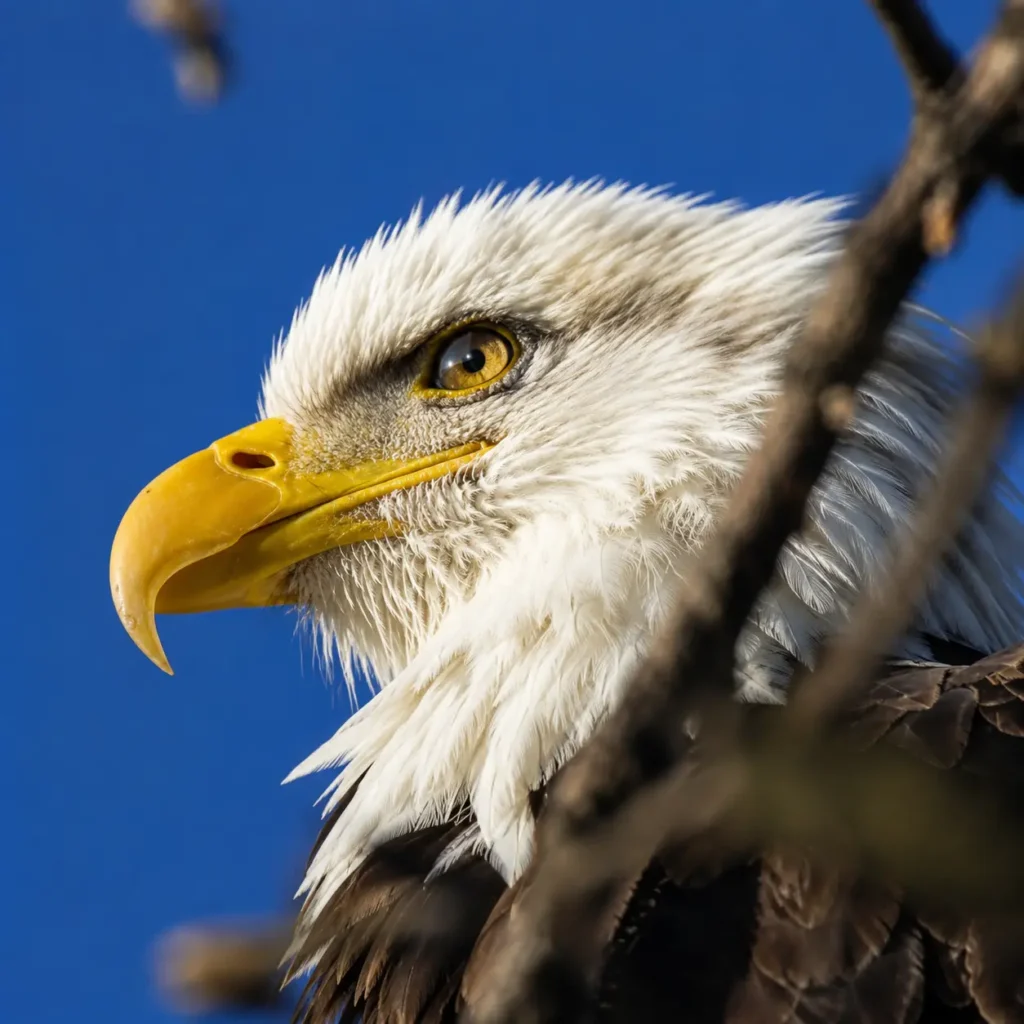
For many, witnessing a species this scale in the wild, absolutely stunning against the England skies, is a reminder of how far reintroduction work has come. The excitement wasn’t just about the bird itself but what its presence represents for ongoing conservation efforts across the region.
FAQs
Where was the white-tailed eagle spotted?
The bird was seen at Cley Marshes nature reserve on the north Norfolk coast, with further sightings reported nearby at Blakeney Point and Beeston Bump.
How big is a white-tailed eagle?
It’s the UK’s largest bird of prey, with a wingspan of up to 7.8ft (2.4 metres), making it noticeably bigger than other native raptors like the red kite.
Were white-tailed eagles ever extinct in Britain?
Yes. The species was persecuted to extinction, with the last native bird shot in the Shetland Isles in 1918, ending centuries of presence across the country.
Where did the Cley eagle come from?
It’s believed to be one of two eagles hatched last summer as part of a reintroduction project involving the Isle of Wight, Kent, and Dorset, having travelled through East Anglia before being released into the wild.
How many white-tailed eagles live in England now?
England’s population remains small compared to Scotland’s roughly 200 birds, with around 25 eagles currently part of active reintroduction efforts in the south.
Is there a reintroduction project in Norfolk itself?
Not formally yet. A potential release site in west Norfolk, including Wild Ken Hill, has been discussed as a future ambition for East Anglia, but the idea remains on the back burner.
Will white-tailed eagles breed in England?
That’s the goal of the Isle of Wight project, a five-year, 60-bird release programme aiming to establish six to eight breeding pairs along the south coast in the coming years.
Read About : herbicide killer